

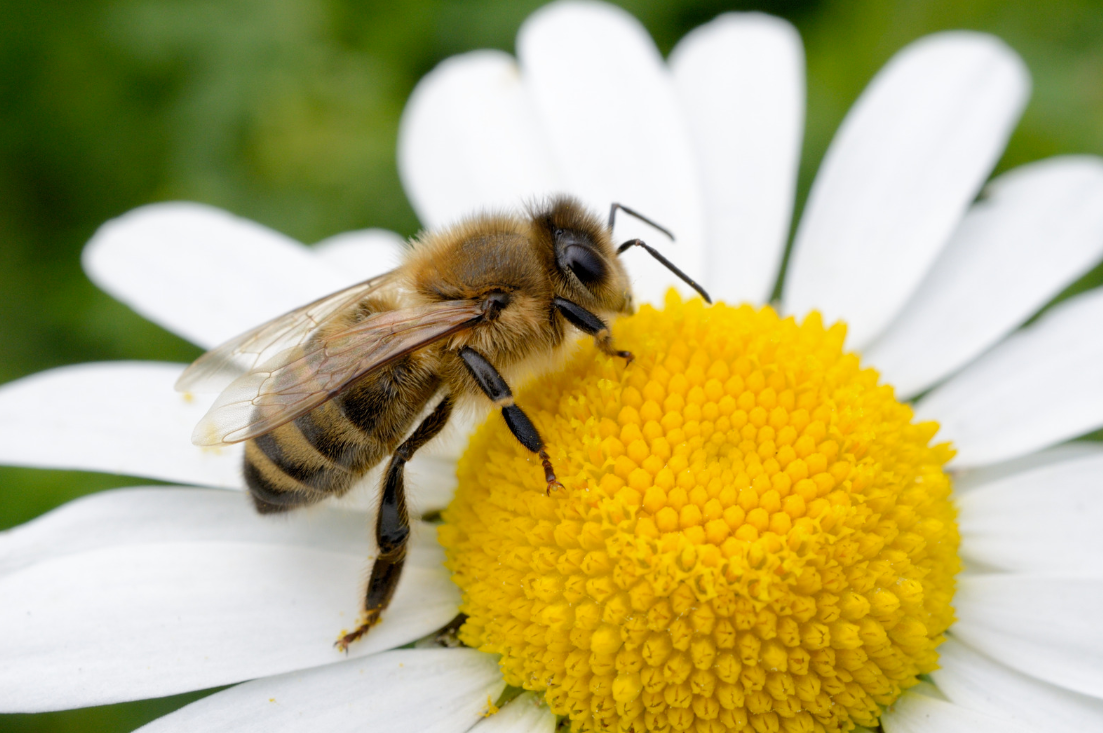
Quick answer
Across cultures the bee stands for industry, order and community, because a hive looks like a well-run town. In ancient Egypt the bee was the emblem of the king of Lower Egypt and was said to have sprung from the tears of the sun god Ra. In Greece the priestesses of Artemis at Ephesus were called Melissae, bees, and honey was the food of the gods. In Britain and New England families kept the custom of telling the bees about a death or a wedding so the hive would not leave. A bee in your garden today is far more likely to be gathering nectar than carrying news, and it is worth a moment’s gratitude: roughly one bite in three of what people eat depends on pollinators, and many bee species are declining through habitat loss, pesticides and parasites. If a swarm arrives, stay calm and call a beekeeper. The wider guide is Butterfly Symbolism Across Cultures, the Biology of Metamorphosis, Ladybugs, Bees and Spiders, and What an Insect Moment Can Mean.
Bee traditions and bee facts
| Tradition or fact | What it says | Note |
|---|---|---|
| Ancient Egypt | The bee was the symbol of Lower Egypt’s kingship and was born from the tears of Ra | Beekeeping in Egypt is recorded from about 2400 BC |
| Ancient Greece | Priestesses at Ephesus and Delphi were called Melissae; honey fed the gods on Olympus | Aristotle wrote the first detailed study of hive life |
| Telling the bees | Families informed the hive of deaths and weddings, draping it in black or white | England, Wales, Germany and New England, into the twentieth century |
| Hinduism | The bowstring of Kamadeva, god of love, is a line of bees; bhramari is the humming-bee breath | Bhramari is a breathing exercise, not a treatment |
| The hexagon | Honeycomb cells are six-sided because that shape stores the most honey with the least wax | A fact about geometry, not about the heart |
| Most bees are solitary | Of roughly twenty thousand bee species, most nest alone in soil or hollow stems and rarely sting | Bumblebees and honeybees are the social minority |
| Pollinator decline | Habitat loss, pesticides, the varroa mite and a warming climate are reducing many species | Planting flowers and leaving bare soil patches helps |
- Keep people and pets indoors and give the swarm space; swarming honeybees have no hive to defend and are usually docile.
- Note where it is hanging (branch, fence, wall) and roughly how big it is.
- Call a local beekeeper or beekeeping association; many collect swarms free of charge.
- Do not spray it, smoke it or throw water; that turns a calm cluster into an angry one.
- If nobody can come, wait; most swarms move on to a permanent home within a day or two.
What the old version got wrong: It said bees heal mind, body and soul, that their stings were a form of shamanic acupuncture and that a bee sighting means your heart chakra needs healing. Bees are pollinators with a sting they would rather not use. A sighting reveals what you were paying attention to, nothing more. Related: butterfly colours explained.
Read the full insect guide
Butterfly symbolism across cultures, metamorphosis, ladybugs, bees and spiders, and how to help the insects you notice.
This article is truly fascinating. It’s amazing to think about the spiritual significance of something as small as a bee. Definitely makes me appreciate nature more.
This article provides an enlightening look at the symbolism of bees across various belief systems and practices. The connections between bees and spirituality are quite thought-provoking.
The dream interpretation section was particularly interesting. I had no idea that dreaming of bees could have such positive connotations or provide insight into one’s emotional state.
Dream interpretation is always intriguing, especially when it involves animals or other natural symbols. The bee symbolism definitely adds an interesting layer to this practice.
It is fascinating how different cultures interpret dreams, and it’s interesting to learn how bee symbolism has such positive associations in many places.
The information about bee symbolism in different cultural contexts was particularly eye-opening for me. It really emphasizes the rich diversity of beliefs around the world.
I’m not convinced that seeing a bee means anything beyond the fact that bees are just part of our natural environment. I think this is reading too much into a simple insect sighting.
That’s fair, but it’s interesting to consider the different cultural beliefs about bees and what they symbolize in various societies.
I can see why some people might find this perspective intriguing, but I also agree that it may be reading too much into things.
While I may not personally believe in spiritual messages from bees, it’s intriguing to explore these ideas and see how others view these tiny creatures from a more symbolic perspective.
I appreciate the insight into how different cultures interpret bee sightings and what they believe these insects represent. It’s always valuable to learn about other belief systems.
The spiritual aspects of bees are quite fascinating, especially how they’re connected to healing practices and the heart chakra. It really makes you think about the interconnectedness of all living things.