

Quick answer
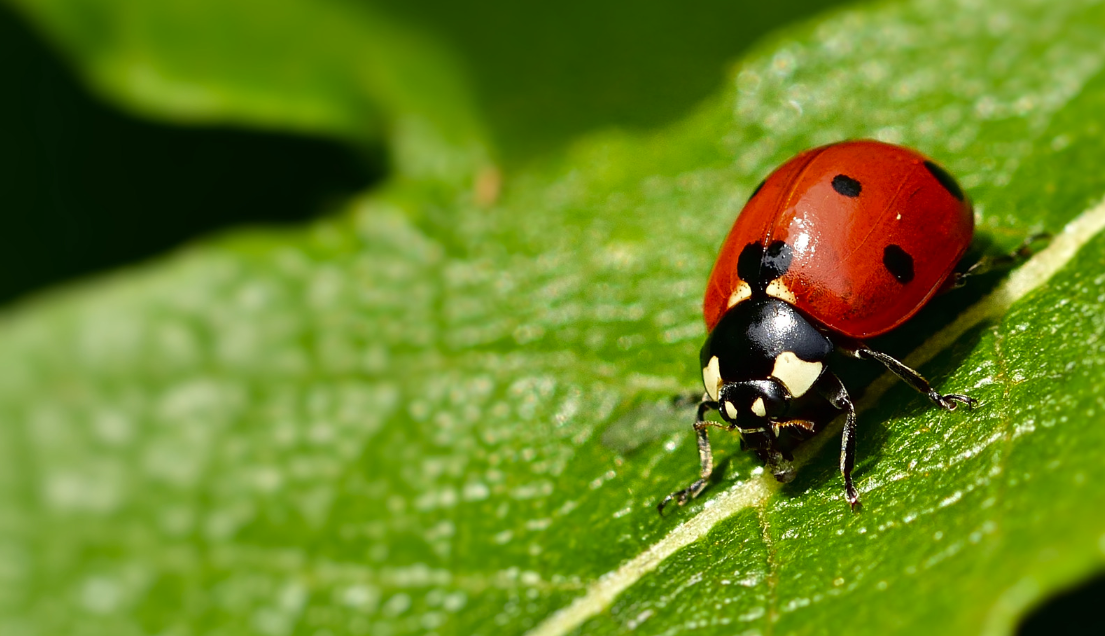
A ladybug landing on you is a pleasant moment with a long folk history and a simple biological explanation. The name comes from medieval Europe, where farmers whose crops were being eaten by aphids prayed to the Virgin Mary and credited the red beetles that arrived with the rescue: Our Lady’s bird, later ladybird in Britain and ladybug in North America. The luck traditions grew from that gratitude. A landing was said to bring good fortune, the spots were counted for months of luck or children to come, and killing one was thought to bring bad weather. None of that predicts anything, but the gratitude was earned. A single adult can eat around fifty aphids a day and a larva several hundred during its development. The one caution is the harlequin, an introduced Asian species that crowds out native ladybugs and gathers indoors in autumn. The rest of the insect story is in Butterfly Symbolism Across Cultures, the Biology of Metamorphosis, Ladybugs, Bees and Spiders, and What an Insect Moment Can Mean.
Ladybug traditions and facts side by side
| Tradition or fact | What it says | Where it comes from |
|---|---|---|
| Our Lady’s bird | The beetle was sent in answer to farmers’ prayers; the red wing cases recall Mary’s cloak in medieval paintings | Medieval Europe, kept in the names ladybird, Marienkafer and coccinelle |
| A landing brings luck | Let it walk off on its own and the luck stays; blow it away and it carries a wish | English, German and Italian folk custom |
| Counting the spots | Spots equal months of good luck, children to come, or years to a wedding | Rural Europe; the number of spots is fixed by species, not fate |
| Ladybird, ladybird, fly away home | The rhyme warns the beetle its house is on fire | Farmers burned hop and bean fields after harvest, ladybugs and all |
| The gardener’s friend | About fifty aphids a day for an adult, more for a larva; gardeners buy them by the bag | Entomology; the family Coccinellidae has about six thousand species |
| The yellow drop on your hand | Not urine but reflex bleeding, a bitter fluid that puts predators off | Biology; it can stain paint and fabric, so brush rather than crush |
| The harlequin | A large, variable Asian species introduced for pest control that now outcompetes natives and bites occasionally | North America since the 1980s, Britain since 2004 |
What the old version got wrong: It promised money, romance and protection from a sighting and called the beetle a messenger from the universe. A ladybug is hunting aphids; the luck is the tradition, and the cheer you feel is yours. If one is in the house, ladybugs indoors in autumn explains why and what to do.
Read the full insect guide
Butterflies and metamorphosis, ladybug and bee folklore, spiders, and what an insect moment can mean without turning the animal into a message.
‘Listen to your intuition’? Absolutely! Whether or not you believe in the symbolism of ladybugs, it never hurts to take subtle reminders from nature as opportunities for reflection.
Ladybugs as symbols of transformation and protection are fascinating concepts rooted in natural observation. Their role in pest control speaks to their protective symbolism, and their metamorphosis aligns well with human cycles of change. The spiritual interpretations feel like an extension of humanity’s innate connection to nature.
Interesting read but seriously? Ladybugs = new beginnings? This feels more like grasping at straws than anything truly profound. I appreciate folklore—but let’s not confuse that with reality.
This article beautifully captures the symbolic richness of ladybugs. I had no idea they were associated with such deep meanings across cultures! Next time I see one, I’ll definitely pause and reflect. Thanks for the insight!
I find it hard to believe that a tiny insect landing on you is a sign from the universe. While it’s cute, attributing deep meanings to random encounters with bugs seems like wishful thinking at best.
‘Seeing a ladybug means good luck?’ Sure, and if a pigeon poops on my head, I must be destined for greatness! Come on folks, it’s just an insect!
Well, there’s no harm in finding joy or positivity in small moments—even if they’re as trivial as seeing a ladybug!
I agree with CosmicJester here. There’s beauty in nature, but let’s not overthink it.
Hold on—why do we always romanticize natural phenomena? Just because something looks pretty doesn’t mean it carries divine or symbolic weight. Isn’t this just another example of humans projecting meaning onto things that are ultimately indifferent to our existence?
The part about trusting the universe resonated with me so much! Sometimes we need these little nudges—whether they’re real or imagined—to keep going during tough times.