

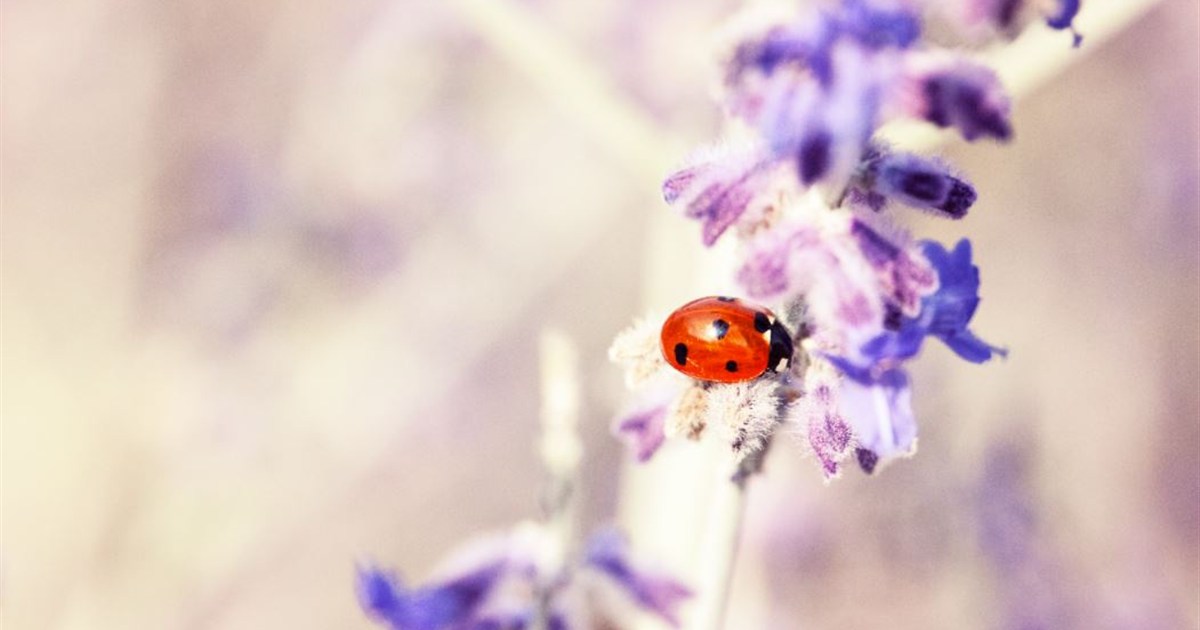
A ladybug appearing indoors may feel like a cheerful visitor or a small sign of hope. If that meaning resonates with you, keep it. You can appreciate the moment and still ask the practical question: why is this beetle in the house, and what should happen next?
One beetle and a large seasonal gathering are different situations. Start by noticing what is actually present before deciding whether you need help.
Make room for meaning without fear
You might associate the encounter with gratitude, welcome or a fresh beginning. Ask what those themes bring to mind in your life. Perhaps you want your home to feel calmer, or you have been overlooking a small source of support.
You do not need to leave an indoor problem untreated to preserve good fortune. Moving or managing insects does not determine whether you are spiritually protected, and an accidental death is not a forecast of harm to your family.
Why gatherings happen
In North America, multicolored Asian lady beetles can gather around buildings while seeking winter shelter. They enter gaps and may become active again when warmed. University of Minnesota Extension explains that these beetles do not reproduce indoors. Appearance alone can be misleading because their colors and spots vary.
If you are unsure what you have found, take a clear photograph without handling the insect and ask a local extension or identification service. Advice should fit your species, location and weather—not just the word ladybug.
Three practical priorities
- Identify the situation. Notice whether you have a single insect, repeated arrivals or a large gathering. Note where they appear so you can describe the problem.
- Choose a proportionate response. For indoor Asian lady beetles, Extension recommends vacuum removal rather than indoor pesticide spraying. For a large or recurring problem, ask a qualified local service about appropriate management. Avoid crushing beetles, which can release staining fluid.
- Reduce future entry. Before the local autumn gathering season, repair damaged screens and address gaps around doors, windows and other entry points. Seek help for repairs you cannot make safely.
Should you put them outdoors?
There is no one release instruction that fits every climate and beetle. Avoid moving collected insects to another neighborhood or natural area. If you want a nonlethal approach, ask a local expert what is suitable for the species and current conditions rather than following a fixed temperature rule from a general article.
You also do not need to turn a heated room or garage into a long-term insect refuge. A thoughtful response can respect wildlife while protecting the comfort and use of your home.
Keep the encouraging part
Once the practical need is addressed, return to the impression that made you pause. “What would make this home feel more welcoming?” may be a useful question whether the answer is a conversation, a small repair or time to rest.
For an outdoor encounter, explore ladybug spiritual meaning. The butterfly-symbolism guide offers another way to reflect on small creatures, change and everyday wonder.
This article is a bit too superstitious for my taste, but I appreciate the cultural insight into how ladybugs are viewed around the world.
I had no idea that ladybugs had so many different meanings based on their color and behavior. This is fascinating!
This is all very intriguing, but it’s hard to take seriously without any scientific evidence to back it up.
I always thought ladybugs were just cute little bugs, but now I’ll have a whole new perspective when I see them in my garden!
I’m highly skeptical about these claims regarding ladybugs bringing luck and whatnot. It all seems rather absurd to me.
The spiritual interpretations of ladybugs are quite far-fetched, but I suppose it’s interesting folklore at the very least.
It’s amazing to learn about the symbolism of ladybugs in different cultures. I never knew they could bring so much good luck.