

Quick answer
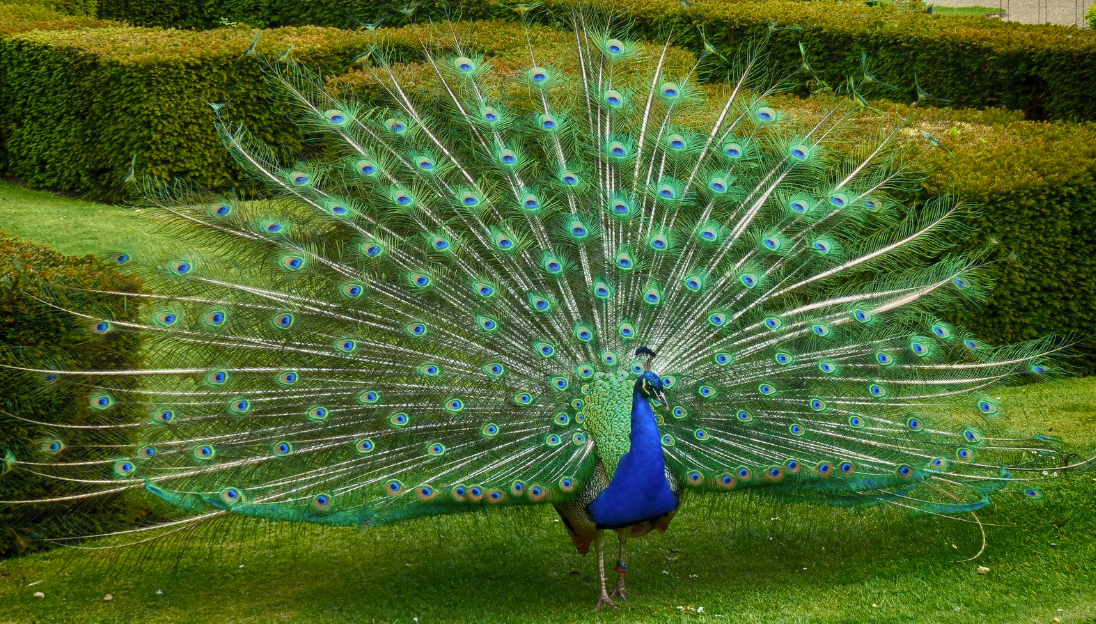
The peacock is the male Indian peafowl, India’s national bird since 1963, and the reason you can see one without a passport is that peafowl go feral easily: there are established flocks in suburbs of Florida and southern California, in Hawaii, and on country estates across Britain. The train, which is not a tail but a fan of up to two hundred upper-tail feathers, is grown for the breeding season and shed every summer, then regrown. The older version of this page called a peacock sighting a green light for financial decisions and gave a Native American meaning for a bird that is not native to the Americas. Both are gone. What remains is a rich set of real traditions, in the table, next to what the bird is actually doing, which is mostly eating insects, screaming at dawn and attacking its reflection in car doors. The full bird guide is Bird Sightings and What They Mean: Owls, Crows, Cardinals, Hawks, What Cultures Made of Them, Why the Bird Is There and What to Do.
Peacock traditions, and the bird behind them
| Tradition | What it made of the peacock | What the peacock is actually doing |
|---|---|---|
| Hindu | Mount of Kartikeya, the god of war; the feather in Krishna’s crown; a companion of Saraswati in some regions | Displaying: the train is raised and shaken toward females, who choose the male with more eyespots |
| Ancient Greek | The bird of Hera; the hundred eyes of the watchman Argus were set in its tail after his death | The eyespots are ocelli, patterns that catch light; they do not see |
| Early Christian | Immortality and resurrection, from the belief that peacock flesh does not rot; Augustine claimed to have tested it | Moulting: the whole train drops in late summer and regrows by spring, which fed the renewal idea |
| Persian and Mughal | The Peacock Throne of the Mughal emperors, seized by Persia in 1739; peacocks flanking the gates of paradise in art | Roosting high in trees at night, out of reach of leopards and dogs |
| Yazidi | Melek Taus, the Peacock Angel, is the central figure of the faith, and images of the peacock are sacred | A living bird treated with respect, not a symbol only |
| Chinese (Ming and Qing) | Peacock feathers in an official’s hat showed imperial favour and rank | Shed feathers were collected without harming birds, as they still can be |
| Modern suburbs | A sign of prosperity, beauty or vanity | Eating beetles and snakes, calling loudly from March to June, and fighting its reflection in a parked car |
Living near feral peafowl: Do not feed them; fed flocks grow, roost on roofs and scratch cars. Cover or move reflective surfaces in spring when males attack their own image. The train feathers shed naturally in late summer and, because peafowl are not native to North America, a found feather can be kept there. For the psychology of why a bird you keep seeing starts to feel like a sign, see what signs and omens are.
Owls, crows, cardinals and hawks in one guide
The hub covers what cultures made of each bird, why the bird is actually there, and what to do when one turns up near you.
‘Seeing a peacock might signal prosperity.’ Well, I’ve seen about three this month and I’m still waiting for my lottery win. Maybe they were just warming up?
@_IronyIsLife_, maybe you need to see four for it to kick in? Don’t give up hope!
Honestly, if I see another post telling me that an animal is sending me ‘divine messages,’ I’m going to start looking at pigeons differently too… Maybe those guys are trying to tell me something deep as well!
There’s something poetic about using the peacock’s renewal as a metaphor for transformation in our own lives. While not everyone believes in spiritual signs, sometimes nature does remind us of important life lessons.
@Quantum_Muse Agreed! Nature often serves as a mirror for our inner journeys if we’re open enough to notice.
What a fascinating exploration of the peacock’s symbolism! I’ve always admired their beauty, but I never realized they carried such profound spiritual meanings across various cultures. This article has inspired me to look at nature with a deeper lens, and I’ll definitely pay more attention to these messages from the universe. Beautifully written!
The connection between the peacock and various cultural beliefs is incredibly well-researched! In Hinduism especially, the peacock’s ties to Saraswati and Krishna are so beautifully symbolic. As someone who practices mindfulness, I think it’s valuable to reflect on these kinds of encounters as part of personal growth.
“Divine messenger”? Please. Peacocks are gorgeous creatures but attaching all these esoteric ideas sounds like wishful thinking. We should appreciate animals for what they are—living beings—not mystical symbols.
@_Skeptical_Susan_, Isn’t it possible that humans have used animals as metaphors for deeper meanings throughout history? Maybe it’s less about literal messages and more about reflection.
While this article is beautifully composed, I find it hard to believe that seeing a peacock carries any real significance beyond aesthetic pleasure. Assigning spiritual meaning to an animal’s appearance seems more like an attempt to romanticize random occurrences rather than providing practical or logical insights.
“Peacocks symbolize abundance”—tell that to my bank account! But seriously, while I appreciate the sentiment, maybe seeing a peacock isn’t some divine message but just… seeing a bird? Let’s not overcomplicate things.