

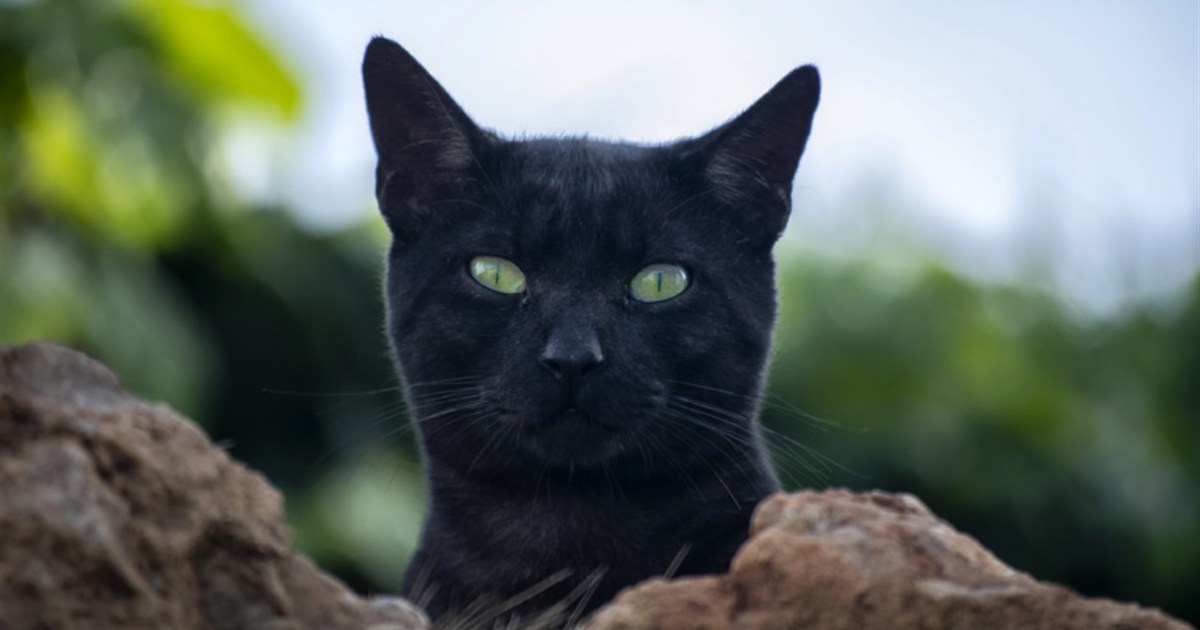
A black cat can seem quietly striking: bright eyes, a dark silhouette and a presence that invites a second look. If the encounter feels spiritually meaningful, you may connect it with mystery, protection, independence or trust in yourself.
You do not need to interpret the animal as a threat. A black cat crossing your path is not a reason to expect harm, cancel a plan or pay someone to remove bad luck.
Mystery can invite curiosity
Not everything meaningful arrives with an explanation. A black cat may remind you that you can leave a question open while learning more. What are you curious about? Where have you been demanding certainty before taking a reasonable, manageable step?
Being open to mystery does not mean treating every guess as true. You can enjoy a spiritual impression while checking the practical facts of a situation. Curiosity and clear thinking make good companions.
Protection as a boundary you practice
If a black cat feels protective to you, consider what protection would look like in everyday life. Perhaps it is privacy, a calmer home, a clearer limit or time with people who respect you.
A useful interpretation supports something you can do. It does not require the cat to absorb harmful energy, guarantee your safety or remain close to you at all times. You can appreciate the feeling and still use ordinary safeguards.
Self-trust without mind-reading
You might associate a cat’s independence with permission to follow your own preferences. Is there a choice you keep explaining to people who do not need to approve it? Are you overlooking a need because someone else finds it inconvenient?
Self-trust can include asking questions and changing your mind. It does not mean that an animal encounter confirms a suspicion about another person. Look at behavior and communicate directly when a relationship needs clarity.
Luck stories are not instructions
People inherit different stories about black cats, sometimes welcoming them and sometimes fearing them. You can notice the story you were taught without passing fear on to the animal.
If a belief makes you anxious, ask whether it helps you live with care and proportion. A kind response to a cat does not depend on deciding whether it is lucky. It can begin with seeing an individual animal rather than a forecast.
Respond to the cat in front of you
- Give an unfamiliar cat space and let it choose whether to approach.
- Do not assume a visiting cat has no home; a local rescue, shelter or veterinary practice can advise about identification and a microchip check.
- If considering adoption, think about the individual cat’s needs and whether you can provide suitable long-term care.
- Seek qualified help for an injured animal rather than interpreting the injury as a spiritual message.
A pet’s quiet company can be meaningful in its own way. You do not need to test the bond by expecting unusual behavior or demanding affection when the cat wants to rest.
One question to carry away
Try: “What would make me feel more at home in my own choices?” Your answer may be a boundary, a creative interest or a conversation you have been avoiding.
For a bond with an animal you live with, read pets as spiritual companions. The woodland-animal guide and signs-and-omens guide offer broader ways to explore encounters without turning them into pressure.
It’s absurd to associate black cats with bad luck or evil. Such superstitions have no basis in reality, and it’s time we appreciate these felines for what they truly are – beautiful creatures.
The historical background on black cats is quite intriguing. It’s fascinating to see how superstitions have influenced our perceptions of these animals over time.
“Once you understand that a black cat sighting can be something good, you will no longer fear it.” – This statement resonates deeply. We must strive to change the negative narrative surrounding black cats.
Black cats have always been misunderstood due to historical misconceptions. It’s time to change the narrative and show these beautiful creatures the love and respect they deserve.
“Cats make great travel partners.” Perhaps it’s time we consider taking a black cat as our next travel companion!
Unfortunately, people often fear what they don’t understand. Black cats are no exception. Educating ourselves and others is crucial to dispelling these unfounded beliefs.
It’s disheartening to see that ancient prejudices still influence our perception of black cats today. Let’s spread awareness and break free from these misconceptions.