

Quick answer
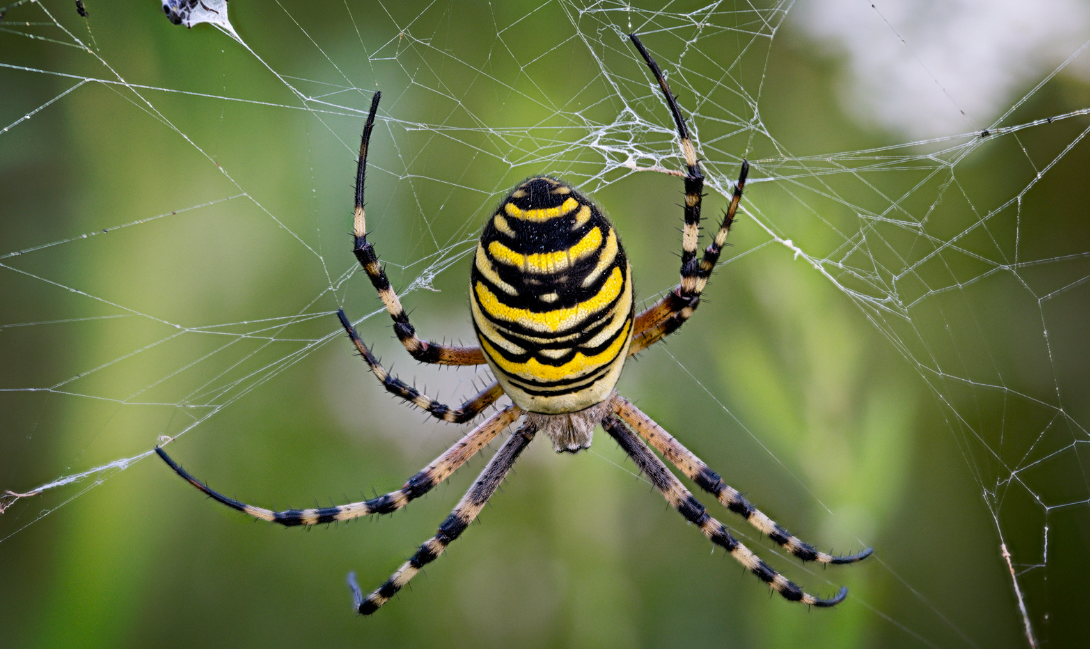
In folklore the spider is the weaver and the storyteller. Anansi, the trickster of the Akan people of Ghana, won all the world’s stories from the sky god and carried them across the Atlantic with enslaved West Africans. In Ovid, the weaver Arachne beat Athena at the loom and was turned into a spider for it. For the Navajo (Dine), Spider Woman taught weaving and is a revered figure whose stories belong to that nation and are best heard from it, not summarised for instruction. English folk custom calls the tiny money spider lucky if it lands on you, and says that anyone who wishes to live and thrive should let a spider run alive. The facts are calmer than the fear. Of around fifty thousand species, only a handful in North America can hurt you, most bites blamed on spiders are something else, and the one in the corner is eating mosquitoes. The full insect guide is Butterfly Symbolism Across Cultures, the Biology of Metamorphosis, Ladybugs, Bees and Spiders, and What an Insect Moment Can Mean.
Spider stories and what they say
| Story or belief | Where it is from | What it says |
|---|---|---|
| Anansi | Akan people, Ghana; then Jamaica and the American South | Cleverness beats strength; the small one who owns the stories |
| Arachne | Ovid’s Metamorphoses, Rome | Pride in craft can offend the powerful; the weaver lives on in the web |
| Spider Woman | Navajo (Dine) tradition, described here with respect and without instruction | A teacher of weaving and a protector; her stories belong to the Dine |
| Money spider | England | A tiny spider landing on you brings money; the family Linyphiidae, harmless |
| The spider and the wedding dress | England and the American South | Finding a spider on the dress is good luck for the marriage |
| Robert the Bruce | Scotland | A spider rebuilding its web taught the king to try again |
| Spider in the house | Europe, widely | A spider seen in the evening brings hope; do not kill it or you kill your luck |
- Almost all spiders in a North American home are harmless house spiders, cellar spiders or jumping spiders.
- Only widows and recluses are medically significant, and both avoid people.
- Most bites diagnosed as spider bites turn out to be infections or other insects.
- A spider in the house eats flies, mosquitoes and moths; it is doing pest control.
- A fear of spiders is common and responds well to gradual, guided exposure with a therapist.
What the old version got wrong: It linked to another psychic website (removed) and suggested the spider might be your spirit animal. Spirit animals come from specific Indigenous traditions in which the relationship is conferred, not picked from a sighting; the spirit animal guide explains that. The only sensible response to a spider is a cup and a card, or leaving it alone.
Read the full insect guide
Butterflies and metamorphosis, ladybugs, bees and spiders, what cultures have made of each, and what an insect moment can mean.
This article really spins a web of ideas! 🕸️ Who knew spiders could be such deep thinkers? Haha!
I see what you did there with the spin! Clever!
I found this article really enlightening! The connection between spiders and personal growth is fascinating. 🕷️✨
Yes! I never thought about spiders in this way before. I’m definitely going to pay more attention to them.
Absolutely! It’s amazing how much symbolism can be drawn from something so small.
*sigh* I guess now we have to appreciate spiders for being ‘creators.’ Next thing you know, they’ll be giving TED Talks on web design! 😂
‘Spiders symbolize creativity’? I think someone is stretching the meaning here just a bit too much.
After reading this, I’m going to name my new pet spider ‘Courage.’ Let’s embrace our fears together! 🕷️❤️
That’s the spirit, Annie! Time to break those spider stereotypes!
This is a bunch of nonsense. Spiders are just creepy crawlers, nothing more. 🕷️🤮
I agree, Sam! Let’s not romanticize something that just gives most people the heebie-jeebies.
‘Seeing a spider’ could mean different things based on cultural contexts and personal experiences. It’s important to consider that perspective.
While some may find comfort in symbolism, it’s critical to remember that not everyone shares these views on spiders. They are simply part of nature’s ecosystem.
True, but appreciating their role doesn’t hurt anyone!