
Quick answer
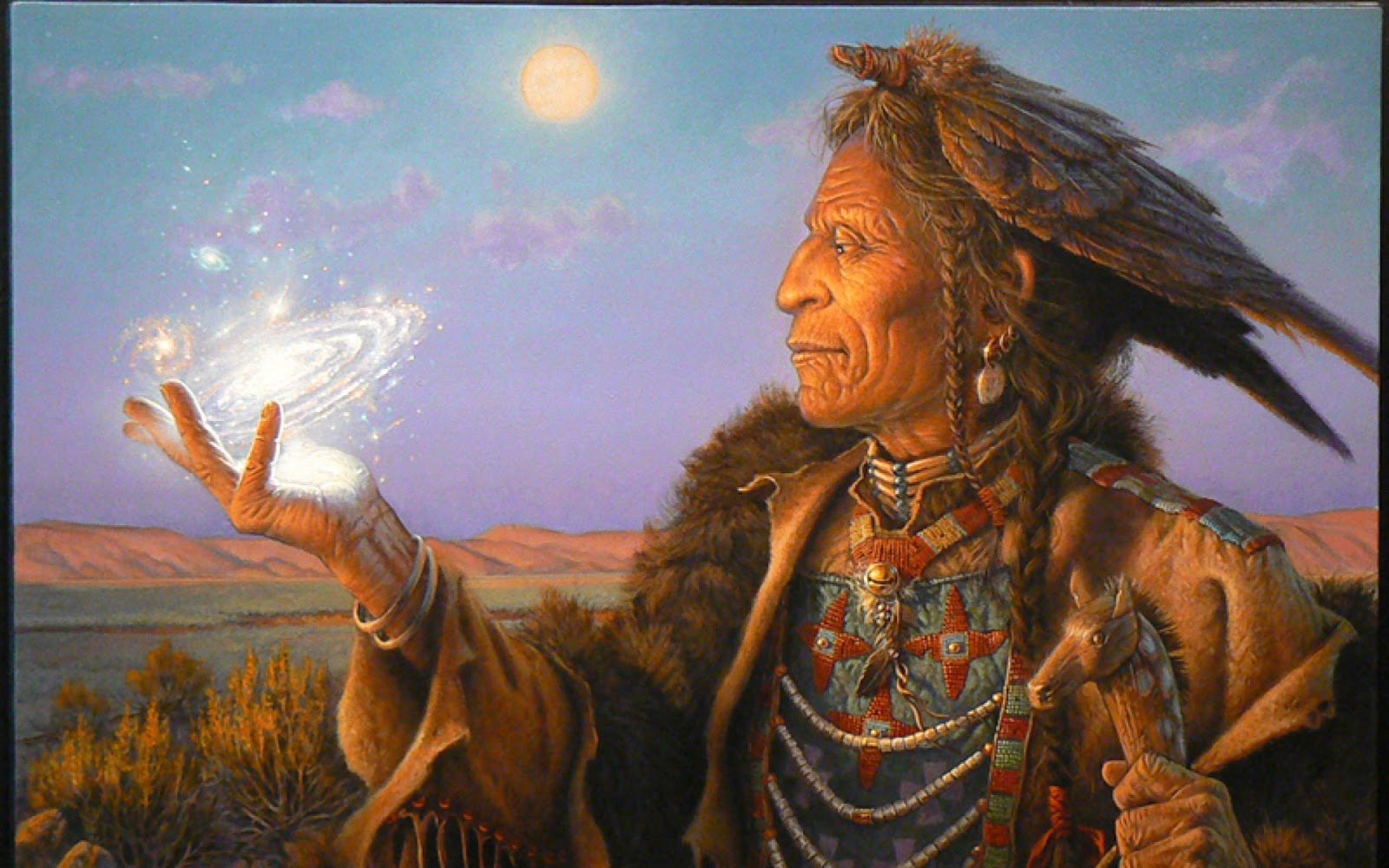
The word shaman comes from the Evenki (Tungus) languages of Siberia, where a saman was a specialist who entered trance to deal with spirits on behalf of the community: healing the sick, finding game, guiding the dead. European travellers picked the word up in the seventeenth century, and anthropologists later stretched it to cover similar specialists worldwide, which is why it now names roles in the Amazon, Korea and the Arctic that have their own names at home. The old version said a shaman is a clairvoyant who sees the future, and linked to a reading service. Neither is right. In the traditions that use the role, a shaman is chosen or trained within a community and answers to it. The self-titled shaman, certified in a weekend and selling sessions online, borrows the word without the accountability, and often the ceremonies, of the people it came from. The wider healing question is in Healing Energy: Reiki, Distance and Shamanic Healing, What Research Finds, Why People Feel Better, Choosing a Practitioner.
The role in the traditions, and in self-titled use
| Aspect | In the traditions | In self-titled use |
|---|---|---|
| How one becomes a shaman | Called through illness, dreams or lineage; trained for years; tested by the community | A short course or a personal decision |
| Accountability | To a community that can reject a shaman who fails | To customers and reviews |
| Purpose | Healing, hunting, weather, the dead, community crises | Personal wellness sessions for a fee |
| Ceremonies | Specific to a people, a place and a language | Mixed from several cultures, often without permission |
| Seeing the future | Divination is one task among many, judged by results the community sees | Marketed as clairvoyance |
| Payment | Gifts or set customs within the community | Escalating fees; sometimes curse or block removal |
| Standing | A service under obligation | A title awarded to oneself |
- Use a people’s own word for their specialists where you know it: curandero, mudang, angakkuq
- Learn from members of a tradition, on their terms
- Do not buy or copy ceremonies, such as white-sage smudging or ayahuasca, as products
- Support the communities that hold these practices
- Treat shaman as a job description within a culture, not a title to award yourself
What the old version got wrong: It defined a shaman as a psychic who sees the future and linked to a reading website; that link is removed. Divination has a place in some traditions, but no one can see the future, and a shaman’s standing rests on the community, not on predictions. For what a session involves and the red flags, see Shamanic Healing.
Read the full healing-energy guide
The hub covers Reiki, distance and shamanic healing, what research finds, why people feel better, and how to choose a practitioner.
This is a fascinating perspective on the psychic and shamanic abilities, explaining it as an internal relationship with oneself before an external association.
The analogy of comparing the psyche to a street with apartments is quite thought-provoking, offering a unique way to visualize its complexity.
Accuracy seems to be a key factor in differentiating between great psychics and shamans, and those who lack the necessary skills.
It seems that the accuracy of psychic predictions is crucial, and it’s interesting to consider the ethical implications of providing false information.
Becoming a great psychic requires effort, practice, and dedication to separate accurate information from inaccurate data over time. This highlights the arduous nature of honing these skills.
The emphasis on establishing internal relationships within oneself for psychic abilities is an intriguing concept that prompts further reflection on individual spirituality.