

Quick guide
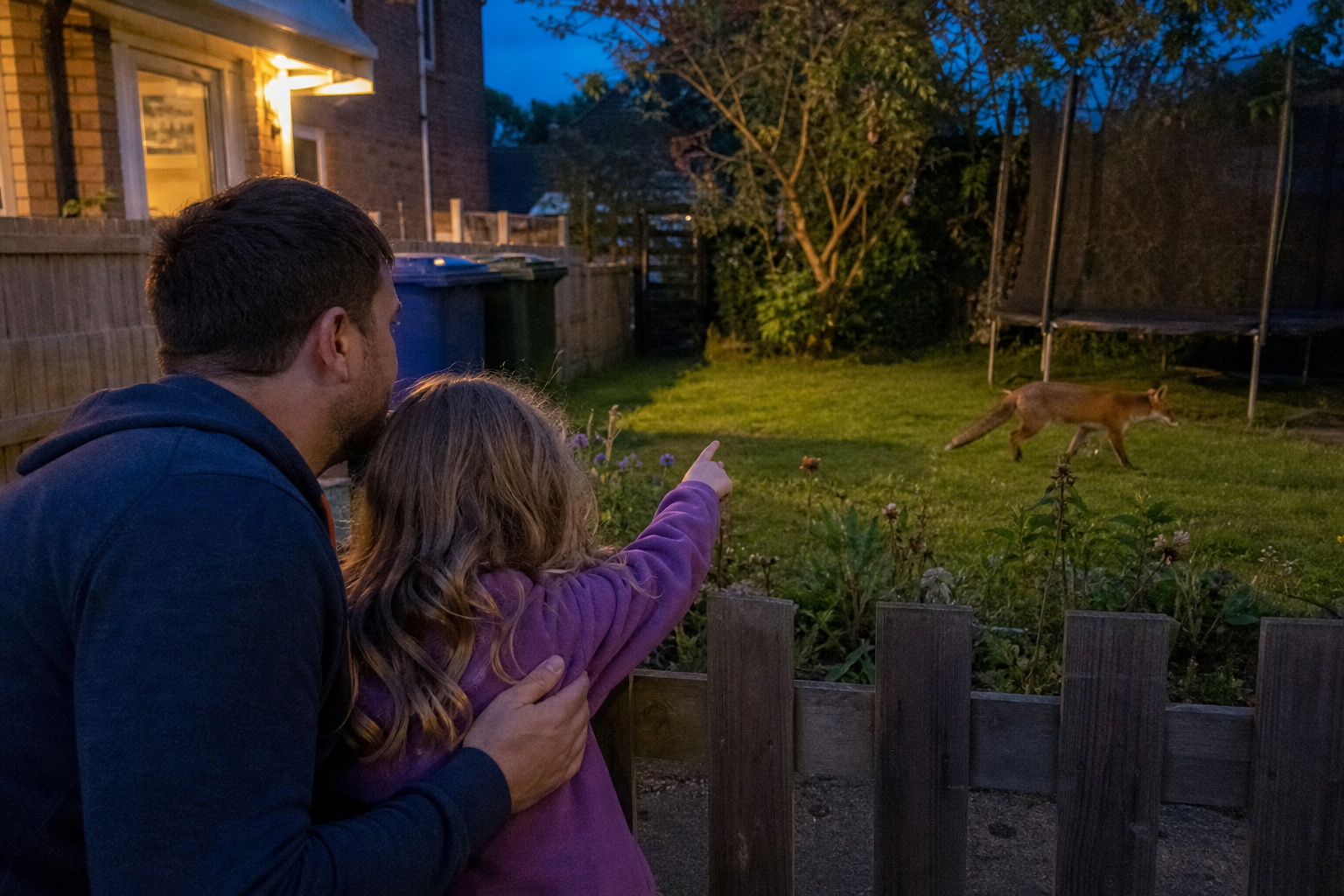
A deer at the end of the garden, a fox on the lawn at dusk, a snake on the path, a bat circling the porch light: each is a real animal doing something it does every day, and each has a long record of meanings that people have hung on it. The deer has been gentleness and the sacred hunt, the fox a trickster, the rabbit fertility and luck, the black cat both a witch’s companion and a sign of prosperity, the snake both healer and tempter. None of those meanings lives in the animal. They live in the cultures that made them and in the person who happens to be looking. No animal predicts death, luck, money or a pregnancy, and no animal came to find you. What a sighting can do is show you what you were already thinking about, and give you a reason to learn about a creature that shares your street. This guide gives a table of ten animals with their natural history, what cultures have made of them and a reflective reading, an explanation of why suburban sightings are increasing, the history of the black cat superstition, where the fear of snakes comes from, the safety rules that matter, and a four-step way to use the moment.
Ten animals: what they are doing, what cultures made of them, what a sighting can prompt
The natural-history column describes what the animal is most likely doing when you see it. The cultural column is a sample of traditions, chosen to show how far they disagree. The last column is not a prediction; it is a question the sighting can prompt if you want one, based on the quality the animal most often stands for.
| Animal | What it is doing | What cultures have made of it | A reflective reading |
|---|---|---|---|
| Deer | Browsing at dawn and dusk; bolting at a sound; in autumn, bucks in rut | Sacred to Artemis; the golden deer of the Buddha’s past lives; a guide to the otherworld in Celtic tales | Where do you need more gentleness, or more alertness? |
| Fox | Hunting beetles, worms and mice; crossing between gardens at night | Trickster in Japan, Korea and Europe; messenger of the rice god Inari; the cunning villain of fables | What are you solving by cleverness that might need a plainer approach? |
| Rabbit | Grazing at dawn; freezing, then sprinting to cover | Fertility and spring; the hare on the moon in China and Mexico; a lucky foot in the American South | What are you starting, and what are you running from? |
| Elk | Grazing in herds; bugling in September and October | Strength and stamina in Plains and Rocky Mountain nations; a royal beast in Europe | Where will endurance serve you better than speed? |
| Opossum | Foraging at night; playing dead when cornered | Fire-bringer and trickster in some Southeastern stories; a comic figure in modern folklore | What are you pretending not to feel in order to survive? |
| Chipmunk | Stuffing cheeks with seed; running a burrow system | Little folklore; a modern emblem of preparation and thrift | What are you storing, and is it enough or too much? |
| Black cat | Hunting, patrolling, or waiting to be let in | Devil’s familiar in medieval Europe; good luck in Britain, Scotland and Japan; bad luck in the United States | Which fears did you inherit rather than earn? |
| Bat | Catching insects at dusk; roosting in an attic or tree | Luck and happiness in China; a night creature of fear in Europe; a Maya underworld god | What are you navigating by senses other than sight? |
| Turtle | Crossing a road to nest in June; basking on a log | Carries the world in Haudenosaunee, Lenape and Hindu stories; long life in East Asia | Where has patience already been working for you? |
| Snake | Basking on warm stone; hunting rodents; shedding skin | Healer on the rod of Asclepius; the tempter in Genesis; nagas as rain-bringers in South Asia | What old skin is ready to come off? |
Why you are seeing more of them
Suburban wildlife sightings have risen for reasons that have nothing to do with messages. Suburbs are edge habitat, the mix of lawn, hedge and woodlot that deer, foxes, rabbits and raccoons prefer, and they are full of food: bird seed, fallen fruit, pet food, compost and bins. Deer populations in much of North America are higher than at any time in a century because the predators are gone and hunting has declined. Foxes and coyotes have learned that towns are safer than the countryside. Night lighting and doorbell cameras mean that animals which were always passing through at 2 a.m. are now recorded and shared. And there is attention: the week you decide the fox means something, you start looking at the lawn at dusk. Psychologists call the habit of noticing what fits and forgetting what does not confirmation bias, and it is why a sighting always seems to arrive at the right moment.
| Change | Effect on sightings | Example |
|---|---|---|
| Edge habitat | More deer, rabbits and foxes near houses | A cul-de-sac backing onto a woodlot |
| Easy food | Animals learn a route past your bins and feeder | Nightly fox visits after a feeder goes up |
| Fewer predators and hunters | Deer herds grow and lose fear | Deer browsing roses at midday |
| Warm, dry shelters | Bats and raccoons move into attics | Bats seen leaving the eaves at dusk in summer |
| Lighting and cameras | Night animals become visible | A doorbell clip of an opossum at 3 a.m. |
| Season | Rut, nesting and dispersal put animals on roads | Turtles crossing in June; deer collisions in November |
| Attention | You look more, so you see more | Three foxes in a week after reading about foxes |
The black cat: from heresy to good luck
The black cat’s bad name is medieval and European. In 1233 a papal decree associated cats with heretical rites, and over the following centuries cats, black ones especially, were cast as witches’ companions and sometimes killed alongside their owners. The belief crossed the Atlantic with settlers, which is why a black cat crossing the road is bad luck in the United States. Elsewhere the same cat brings fortune. In much of Britain and in Scotland a black cat arriving at the door means prosperity, sailors’ wives kept them to bring husbands home, and in Japan a black cat is a charm against evil and a sign of good luck, especially for single women. The practical consequence of the superstition is that black cats wait longer for adoption in shelters, partly because they photograph badly. The companion article on what a black cat means covers the folklore in more detail; the short version is that the cat is going somewhere, and the luck is a story you were told.
Snakes, bats and the fears that come with them
The fear of snakes is older than any culture. Primates, including people, detect snake shapes faster than other objects, and one leading explanation is that snakes were among the earliest predators of our ancestors, so a quick reaction was selected for. Cultures then built on that reflex in opposite directions: the snake is the healer’s emblem on the rod of Asclepius, the rain-bringing naga of South and Southeast Asia, the shed-skin symbol of renewal almost everywhere, and the tempter of Genesis. In North America, most snakes you will meet are harmless, and the venomous ones, rattlesnakes, copperheads, cottonmouths and coral snakes, want to be left alone. Give any snake two metres of space and it will leave; most bites happen to people who try to catch or kill one. The companion article on seeing a snake goes species by species. Bats carry a different risk: they are the most common source of human rabies in the United States, and their bites can go unnoticed. Never handle a bat with bare hands, and if one is found in a room where someone was sleeping, or near a child or pet, contact the local health department the same day. The article on seeing a bat explains why bats deserve the porch light left on for them anyway.
- Snake on the path: stop, step back, let it move on; photograph from a distance if you want to identify it
- Bat in the house: close interior doors, open a window, turn off lights, wait; call the health department if anyone slept in the room
- Deer at dusk near a road: slow down, expect a second and third animal, especially in October and November
- Turtle crossing: carry it in the direction it was heading, low to the ground, and wash your hands
- Fox, raccoon or opossum acting tame, circling or approaching in daylight: keep away and call animal control
- Any wild mammal bite or scratch: wash for fifteen minutes and see a doctor about rabies treatment
How to use a sighting without fooling yourself
The old version of this article said a deer could be a loved one telling you they are still with you, that the deer never ignores its intuition, and that seeing one meant the universe had a message. The deer was listening for a dog. What survives is the moment of stopping. The four steps below keep that, and they work as well for a chipmunk as for an elk. The guide to bird sightings uses the same method, and what is your spirit animal explains why an animal you identify with is a reminder you chose rather than a messenger sent to you.
- 1. Watch the animalGive it a full minute as an animal: what it is eating, where it is going, how it moves.
- 2. Name what you were carryingWhat was on your mind when you looked up? That is the content of the sighting.
- 3. Pick a reading on purposeChoose one line from the table if it helps, and remember that you chose it.
- 4. Do one small thingMake the call, take the walk, plant the hedge; the sighting is a prompt, not a forecast.
Key takeaways
- Each animal is doing something ordinary; the meaning comes from culture and from your own attention on that day.
- Suburban sightings are rising because of edge habitat, easy food, fewer predators, lighting and cameras, not messages.
- The black cat is bad luck only where medieval European belief travelled; in Britain and Japan it is good luck.
- Snake fear is an old reflex that cultures built on in both directions; give any snake space and it leaves.
- Bats are the main rabies source in the United States: never handle one, and call the health department if one was in a bedroom.
Related reading
- What Does It Mean to See a Fox?
- What Does It Mean to See a Rabbit?
- Meaning of a Turtle Sighting
- What Does It Mean to See a Snake?
- Bird Sightings and What They Mean
- What Is Your Spirit Animal?
Frequently asked questions
1. What does it mean when you see a deer?
The deer is browsing, usually at dawn or dusk, and it froze because it heard you. Cultures have made the deer sacred to Artemis, a form the Buddha took in the Jataka tales, and a guide to the otherworld in Celtic stories. If the sighting stopped you, ask what you were thinking about; the deer cannot tell you, but you can.
2. Is seeing a deer a sign from a loved one who has died?
Many people feel it is, and the comfort is real. The deer itself was in the neighbourhood on the days you did not look, and it is there because suburbs offer food and safety. Keep the sighting as a chosen way of remembering someone rather than a signal you received, and it will stay a comfort rather than a test.
3. What does it mean to see a fox?
A fox on the lawn is hunting insects, worms and mice, or crossing between gardens on a nightly route. In Japanese, Korean and European tradition the fox is a shape-shifting trickster; in Shinto it is the messenger of Inari. Foxes thrive in towns and are rarely a danger; do not feed them, and keep small pets in at night.
4. Why do I keep seeing rabbits?
Rabbits graze at dawn and dusk on lawns, breed from late winter to autumn, and freeze rather than run, so once you notice one you find them everywhere. Folklore makes them fertility, spring and luck: the hare on the moon in China and Mexico, the rabbit’s foot in the American South. The sighting is repeated because rabbits are common.
5. What does a black cat crossing your path mean?
In the United States, bad luck, a belief carried from medieval Europe, where cats were tied to heresy and witchcraft. In Britain, Scotland and Japan the same cat is good luck: prosperity at the door, a safe return for sailors, a charm for single women. The cat is going somewhere. The luck depends on which story you were raised with.
6. Why are black cats considered unlucky?
A 1233 papal decree linked cats to heretical rites, and later European witch trials cast black cats as familiars. Settlers carried the fear to North America. The result today is that black cats wait longer in shelters, partly because of the superstition and partly because they photograph badly. They are ordinary cats.
7. What does it mean to see a snake?
The snake is basking, hunting rodents or moving between shelter and water. Cultures have made it a healer, a rain-bringer, a symbol of renewal through shed skin, and a tempter. In North America most snakes are harmless and even venomous ones avoid people. Step back, give it space and let it leave; most bites happen to people trying to catch or kill one.
8. Why are people so afraid of snakes?
Primates detect snake shapes faster than other objects, and the leading explanation is that snakes were early predators of our ancestors, so a fast reaction was selected for over millions of years. Culture then reinforced the reflex in some places and reversed it in others. A snake is not a sign; it is a reptile that would rather not meet you.
9. What does it mean to see a bat?
Bats are catching insects at dusk, which is why they circle porch lights, or leaving a roost in an attic or tree. In China the bat is luck and happiness; in Europe it became a creature of the night and of fear; in Maya belief it was an underworld god. A bat in flight is harmless. A bat on the ground or in the house needs care.
10. Can I get rabies from a bat?
Yes. Bats are the most common source of human rabies in the United States, and a bite can be small enough to go unnoticed. Never handle a bat with bare hands. If a bat is found in a room where someone was sleeping, or with a child or pet, contact the local health department the same day; treatment is effective if started promptly.
11. What should I do about a deer near the road?
Slow down, especially at dawn, dusk and during the October and November rut, and expect more than one animal; deer travel in groups. Do not swerve into oncoming traffic or a ditch to avoid one. Deer collisions peak in autumn for reasons of breeding and shorter days, not omens.
12. What does an opossum sighting mean?
The opossum is foraging at night for insects, fallen fruit and whatever the bins offer, and it plays dead when cornered. Some Southeastern stories make it a trickster or fire-bringer; modern folklore treats it as comic. It is North America’s only marsupial, rarely carries rabies because of its low body temperature, and eats ticks.
13. What does it mean when a chipmunk keeps appearing?
It has a burrow nearby and is stuffing its cheeks with seed from your feeder or garden, most busily in late summer. There is little old folklore about chipmunks; modern writers make them an emblem of thrift and preparation. If the sighting prompts a question, let it be about what you are storing and why.
14. What does a turtle sighting mean?
In June, a turtle on a road is usually a female heading to lay eggs. Haudenosaunee, Lenape and Hindu stories place the world on a turtle’s back, and East Asia makes it long life. To help, carry it in the direction it was going, keep it low to the ground, never move it to a different pond, and wash your hands afterwards.
15. What does it mean to see an elk?
Elk graze in herds and bugle in September and October, when bulls compete. Plains and Rocky Mountain nations have made the elk a symbol of strength and stamina, and in Europe it was a royal beast. Elk are large and unpredictable in rut; stay at least twenty-five metres away and never get between a cow and her calf.
16. Does seeing an animal three times mean something?
It means the animal lives near you and you have started counting. Memory keeps the sightings that fit a pattern and drops the rest, which psychologists call confirmation bias. Keep a plain log for two weeks, including days with no sighting, and the pattern usually flattens. If it prompts a good question, take the question.
17. Should I feed wild animals that visit my garden?
No. Feeding makes deer, foxes and raccoons dependent, draws them to roads, spreads disease at shared food, and can make them bold enough to become a nuisance that ends with removal. Plant native shrubs, leave a water dish, and let them find their own food. The sighting you get from a distance is the honest one.
18. What did the old version of this article get wrong?
It said a deer sighting meant the spiritual world was ready to give you a message, that a deer could be a loved one still with you, and that deer are spirit led to safety. Deer respond to sound and scent, not intuition, and no animal carries messages. It also described Celtic and Native American beliefs as single things; they are many.
Evidence note: The cultural meanings in this guide are presented as traditions, not facts; no animal predicts events, and repeated sightings reflect habitat, season and attention. Natural-history and safety notes follow standard wildlife and public-health guidance: bats are the leading source of human rabies in the United States, most North American snakes are harmless, and deer collisions peak during the autumn rut. Anyone bitten or scratched by a wild mammal should wash the wound and see a doctor about rabies treatment.
While it’s interesting to explore the spiritual significance of deer sightings, some might find it difficult to connect with these interpretations. It would be helpful to present a more balanced view.
I’ve always found deer to be incredibly graceful animals, and this article beautifully captures their beauty and tranquility. Their symbolism in different cultures adds another layer of fascination.
The portrayal of deer as spirit animals reflects their gentle and protective nature, which is both captivating and comforting. It’s uplifting to consider the positive qualities associated with them.
This article is an excellent guide for understanding the spiritual and symbolic meaning behind deer sightings. It’s important to be attentive to the messages the universe may be sending us.
The idea of a deer as a spirit animal representing grace, caution, and hope is thought-provoking. This article paints a vivid picture of the wisdom that can be gained from observing these majestic creatures.
The section on the deer’s strong intuition is particularly intriguing. It’s remarkable how they can sense danger and know when to run or hide. Nature never ceases to amaze!
It’s intriguing how diverse cultures have incorporated deer into their belief systems, attributing different meanings and symbolism to these creatures. This further emphasizes their universal appeal and significance.
Deer are truly magnificent creatures, and it’s fascinating to learn about their symbolism across various cultures and belief systems. This article provides valuable insights into their significance.