

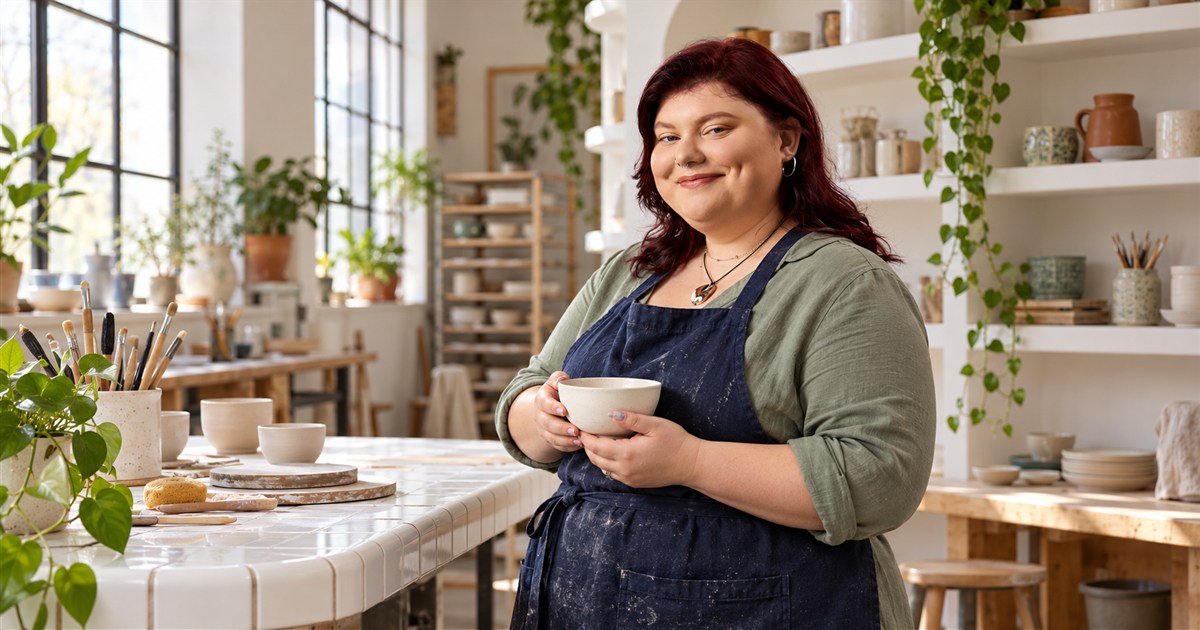
Loving an independent person does not have to mean standing at a distance. A relationship can include shared plans, affection and support while leaving both people room for friendships, interests and decisions of their own.
Independence looks different from one person to another. Instead of treating it as a challenge to overcome, ask what it means to your partner—and explain what closeness means to you.
Start with a conversation, not a stereotype
Someone may value time alone, want to maintain their work or feel comfortable making everyday decisions without consultation. That does not tell you how much affection they want or whether they hope for commitment.
Ask about specific situations. “How do you like to balance plans together and time to yourself?” gives you more to work with than assuming an independent person never needs reassurance.
Keep plans clear and promises realistic
Agree on what you are planning, then follow through or explain a change promptly. You do not have to be available constantly to be reliable. Clarity matters more than dramatic promises.
If one person likes spontaneity and the other needs advance notice, look for an arrangement both can use. A regular shared activity and space for separate plans may fit; another couple may prefer something different.
Ask what support would feel like
Do not assume that independence means refusing help. Equally, taking over a task without asking may not feel supportive. A simple question can open the conversation:
“Would you like me to listen, help with something specific or give you some space?”
Let the answer be real. If help is declined, you can stay kind without trying to prove that the person secretly needs rescuing. You can also ask for support yourself; mutual care is not a competition over who needs less.
Make shared decisions together
A choice that affects both people deserves both voices. Discuss housing, major spending, caregiving responsibilities and other commitments before treating a personal plan as a joint decision.
Money arrangements can be separate, shared or a mixture. What matters is a freely agreed plan, clear expectations about shared obligations and access to information needed for decisions. One arrangement does not fit every household.
Protect privacy without hiding shared commitments
You can have private thoughts, friendships and conversations while being honest about agreements that affect the relationship. A partner’s phone does not become yours to search because you feel anxious.
If something worries you, describe the concern and ask. Try not to turn reassurance into a requirement for constant monitoring or proof of where someone is.
Make room for disagreement and repair
Independence does not remove the need to listen, apologize or compromise. Closeness does not require agreement on every preference. Discuss the actual issue rather than testing whether a partner will give up something to prove love.
A pause in a difficult conversation can be useful when both people understand what is happening and how they will return to it. It is different from disappearing indefinitely and expecting the other person to guess whether the relationship continues.
Let spiritual connection coexist with clear words
You may experience a bond as intuitive, soulful or deeply familiar. Shared beliefs can become part of your relationship, while different beliefs deserve respect too. Neither person should have to accept a spiritual explanation as a reason to give up their choice.
For more on asking rather than assuming, read psychic connection and communication.
When care becomes control
If you are afraid to disagree, threatened or prevented from making ordinary choices, the issue is not simply finding the right balance of independence. Prioritize appropriate safety support. The National Domestic Violence Hotline offers safety-planning resources; use a safer device if yours may be monitored, and contact local emergency services in immediate danger.
For a relationship where conversation is safe, choose one agreement to clarify together. Continue with taking a thoughtful chance on love or the common love-concerns guide.
Some interesting insights here, but it would be great to see more diverse perspectives on independence.
‘Don’t be intimidated by strong women; rather, see how you can fit into their lives and sweep them off their feet.’ – Yes! A great reminder that strength is attractive and should be celebrated.
‘Independent women run their lives’ – love this line! Such a powerful message about autonomy and self-determination.
This article provides great advice for anyone looking to understand and appreciate the independent women in their lives.
I appreciate this article for shedding light on what it truly means to be an independent woman. It’s time we break free from outdated stereotypes.
The expectations set out here are quite high – not sure if they’re entirely realistic in every situation.
Well, these expectations are not impossible to meet when both partners are willing to put in the effort.
Agreed, RainbowWarrior. It’s essential to acknowledge the diversity of experiences and traits among independent women.
I appreciate the sentiment of the article, but it feels like it’s reinforcing stereotypes about what an independent woman is supposed to be like. Not all independent women fit this description.
I agree with LuckyCharm, this article does seem a bit narrow in its portrayal of independent women.
I understand where you’re coming from, but I think the intention was to highlight positive aspects of independence rather than create a one-size-fits-all definition.
This article is so empowering! As an independent woman, I can relate to all of these points. It’s refreshing to see this kind of content in a society that still has such outdated views on women.
Absolutely agree! It’s great to see these traits being celebrated and appreciated.
These points are spot on! It’s important for both partners in a relationship to communicate openly and honestly, regardless of gender.